
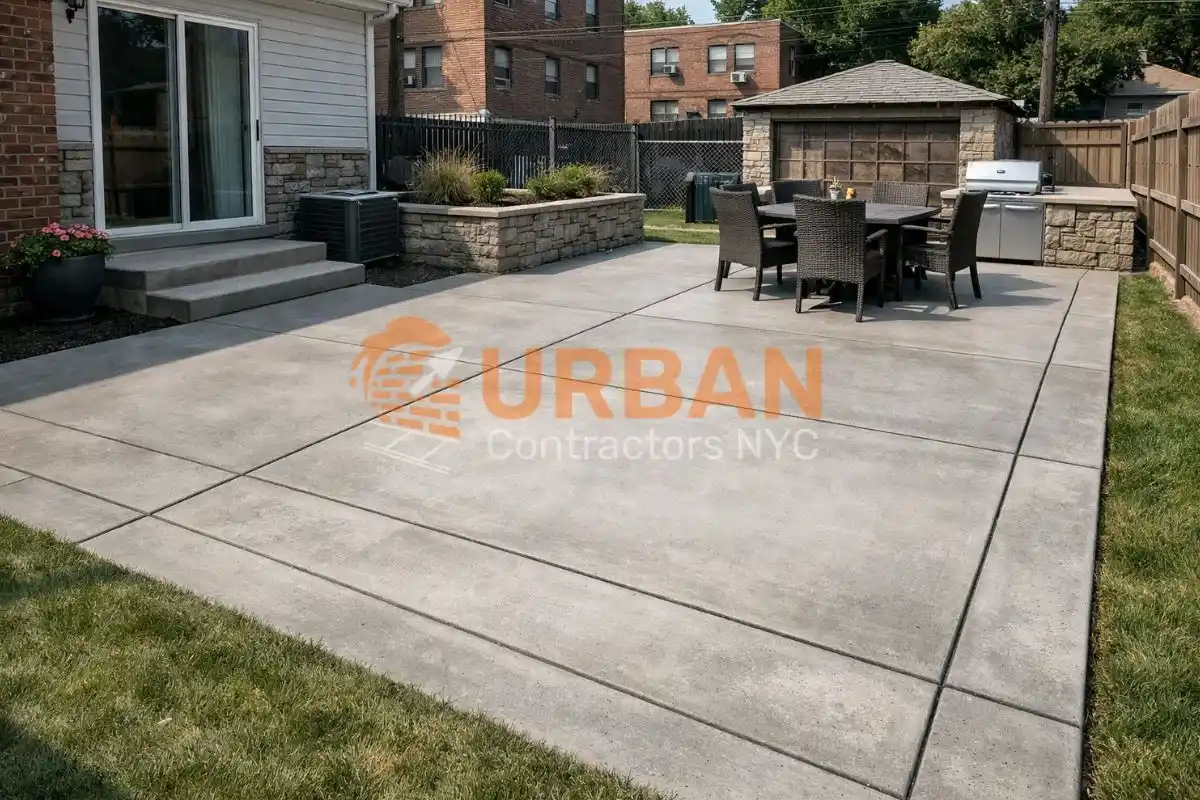
Seasonal Tips for Maintaining Your Patio in NYC
A well-designed patio does more than complete the look of a home. It quietly expands your living space, creating a place where morning coffee, evening conversations, and weekend gatherings unfold outdoors. In a city like New York, where private outdoor space is particularly valuable, a patio often becomes one of the most cherished features of a property.
But like every exterior surface, a patio is constantly exposed to the elements. In NYC especially, outdoor structures face dramatic seasonal swings. Freezing winters, humid summers, heavy rainfall, and fluctuating temperatures place steady pressure on concrete, brick, pavers and wood.
Over time, these conditions can lead to surface cracks, drainage problems, discoloration, or structural wear. That’s why patio maintenance isn’t simply about keeping the space visually appealing. It’s about preserving structural integrity, ensuring safety and protecting the long-term value of your property.
Whether your patio is built from poured concrete, decorative pavers, brickwork, or treated wood, understanding how to care for it throughout the year can make a meaningful difference. A few well-timed seasonal maintenance steps can prevent expensive repairs and help your patio age gracefully in one of the country’s most demanding climates.
Below is a seasonal approach you can follow to keep patios performing beautifully year-round.
How to Maintain Your Patio in Winter
Winter in New York City places significant stress on outdoor surfaces. Snow accumulation, ice buildup, and repeated freeze–thaw cycles can cause materials to expand and contract repeatedly. This constant movement often leads to hairline cracks in concrete, shifting pavers, or weakened joints between bricks.
One of the most effective preventive steps is timely snow removal. Allowing heavy snow to sit for extended periods increases moisture absorption, which later freezes and expands within small surface openings. Clearing snow with plastic shovels instead of metal ones helps prevent scraping or chipping delicate surfaces.
Deicing products should also be selected carefully. Traditional rock salt can be highly corrosive and may accelerate surface deterioration in concrete or natural stone. Non-corrosive or calcium-based alternatives tend to be gentler on patio materials while still providing effective ice control.
Winter is also an important time for observation. As temperatures fluctuate, small cracks or shifting slabs may begin to appear. While these changes may seem minor, documenting them early makes it easier to address them before they expand into larger structural problems during the warmer months.
Outdoor furniture, planters, and decorative elements should be covered or stored whenever possible. Protecting these items from moisture and freezing temperatures reduces wear and prolongs their lifespan.
Best Maintenance Practices for Spring
Spring often reveals the true impact of winter weather. As snow melts and temperatures rise, patios frequently show signs of stress that were hidden beneath ice and debris.
The first step in spring maintenance is a thorough cleaning. Washing the surface removes winter salt residue, dirt, and accumulated grime that can weaken materials over time. Pressure washing, if done carefully and at appropriate pressure levels, can restore the appearance of concrete, pavers, or brick surfaces.
Spring is also the ideal time for a detailed inspection. Look closely for cracks, uneven sections, loose pavers, or joints that have begun to separate. Drainage issues may also become more visible during this time, particularly if water begins pooling in certain areas after rain.
Applying a protective sealer, for example, acrylic, penetrating, or polyurethane sealants, during spring provides an additional layer of protection before summer arrives. Sealants help reduce moisture penetration, limit staining, and strengthen the surface against environmental exposure.
In shaded areas of the patio, mold, mildew, or moss growth may develop where moisture tends to linger. Removing these early prevents slippery surfaces and protects the material from long-term damage.
If you want to extend the life of your outdoor space, spring inspections are among the most valuable maintenance steps of the entire year.
Maintenance Tips for Summer
Summer shifts the maintenance focus from moisture protection to heat management and regular upkeep.
High temperatures and direct sunlight can gradually fade surfaces, particularly in wood decking or certain types of pavers. In addition, increased foot traffic during the warmer months places additional pressure on patio structures.
Routine cleaning becomes especially important during this season. Regular sweeping removes dust and debris that can lead to staining. Occasional washing helps preserve the original color and texture of the material.
Ultraviolet exposure also plays a role in surface aging. Applying UV-resistant sealants or protective coatings can significantly slow fading and surface wear, particularly for patios that receive full sun throughout the day.
Landscaping around the patio deserves attention as well. Plants, shrubs, and planters placed too close to the patio surface can trap moisture against materials, creating conditions that encourage staining or gradual structural deterioration.
Maintaining proper airflow and spacing around the patio helps keep surfaces dry and stable throughout the summer months.
Fall Maintenance Tips
Fall maintenance focuses on preparation. As temperatures begin to drop again, the goal shifts toward protecting the patio from the coming winter.
Leaves and organic debris should be cleared regularly. When left on patio surfaces, decomposing leaves can stain materials and create moisture buildup that encourages mold growth.
Drainage is another important consideration during autumn. Nearby gutters, downspouts, and drainage channels should be checked to ensure water flows away from the patio rather than collecting in low spots. Standing water can become particularly problematic once freezing temperatures return.
Fall is also the right time for another structural inspection. Look carefully at edges, joints, and pavers to identify any weaknesses that may worsen during winter’s freeze–thaw cycles.
Outdoor furniture should be stored or covered before snowfall begins. Doing so protects finishes, fabrics, and structural components from moisture and cold exposure.
By taking these preventative steps in autumn, homeowners significantly reduce the likelihood of winter-related damage.
Cost Considerations for Patio Maintenance
Patio maintenance in New York City can remain relatively affordable when approached proactively. Regular inspections and small repairs typically cost far less than waiting for significant structural damage to appear.
Minor Maintenance: Basic seasonal tasks such as sweeping, washing, and applying sealants usually cost between $90 and $300 per season, depending on the size and condition of the patio.
Major Repairs: When larger structural issues develop, such as replacing concrete slabs, repairing structural wood, or resetting pavers, costs may range from $1,000 to $3,000 or more, depending on complexity.
Preventive Maintenance Savings: Although preventative inspections don’t have a fixed cost category, they often deliver the greatest financial benefit. Addressing small cracks or drainage issues early can prevent large-scale reconstruction projects later.
In other words, routine care acts as an investment that protects both the patio and the overall property value.
Recommended Materials and Maintenance Practices
The durability of any patio in New York City depends on a thoughtful combination of material selection and ongoing maintenance.
Concrete and high-quality paving stones generally perform well under the city’s dramatic temperature swings. Brick patios also offer strong durability when properly installed and maintained.
For wood patios or decking areas, treated lumber or composite materials tend to provide greater resistance to moisture and weathering compared to untreated wood.
Regardless of the material, annual sealing remains one of the most effective ways to protect surfaces. Sealants reduce moisture penetration, limit cracking, and preserve color over time.
Equally important is conducting seasonal inspections. Identifying small surface damage early helps prevent structural deterioration and keeps repair costs manageable.
When more complex repairs become necessary, working with licensed and experienced professionals near you like Urban Contractors NYC helps ensure the structure is repaired correctly and continues to withstand the city’s demanding climate.
Conclusion
A well-maintained patio becomes far more than a design feature. It’s an extension of the home, a place where daily life unfolds outdoors.
Seasonal maintenance is the key to protecting that space. From clearing snow in winter to guarding against summer heat and inspecting surfaces after seasonal transitions, these small steps play a crucial role in preventing cracks, water pooling, mold growth, and structural damage.
Regular inspections, timely cleaning, and protective sealants help patios remain safe, attractive, and structurally sound year after year.
Ultimately, maintaining a patio is not simply about preserving its appearance. It’s about safeguarding an investment in your home while ensuring that your outdoor space continues to serve as a welcoming retreat in the heart of New York City’s ever-changing climate.