
Should You Repair an Uneven Sidewalk Slab or Replace It Completely
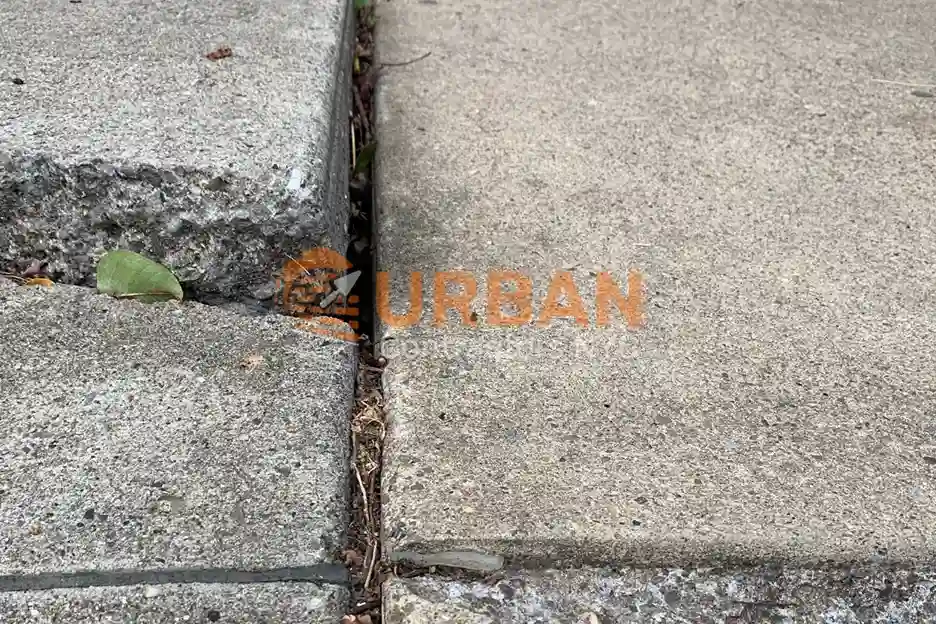
If your sidewalk slab is still structurally sound, even with minor cracks, repairs like lifting the slab or smoothing the surface are usually faster, more affordable and less disruptive than replacing it entirely. This works best when the slab has settled slightly due to shifting soil or seasonal changes like freezing and thawing.
But if the concrete is badly cracked, broken at the edges or falling apart, a repair won’t last. In those cases, a full replacement is the most reliable way to ensure a strong, safe and lasting sidewalk.
At Urban Contractors NYC, we’ve worked on every type of sidewalk issue you can think of over the past 20 years. We know how confusing it can be to determine whether a slab can be repaired or truly needs replacing. This simple guide will help you understand when a simple repair will do the trick and when a complete replacement is the smarter choice.
So keep reading to learn more about both options so you can make the decision that’s best for your property.
When to Repair an Uneven Slab
If your concrete slab looks a little worn but isn’t falling apart and still has stable structural integrity, investing in professional sidewalk repairs can save you time, money, and a lot of hassle. Here are the situations where fixing it makes the most sense:
Minor Settling
Sometimes a slab sinks a little because the soil underneath shifts. If the concrete is still solid and not cracked through, this typically needs a simple fix. Methods like mudjacking or foam lifting can raise the slab back to its original condition, making it smooth, safe and level again. There’s no need to break or remove concrete, but you just need to lift it, fill the space underneath, and you’re done.
Many homeowners assume that any uneven slab needs to be replaced entirely, but small settling issues are among the easiest problems to solve.
Surface Wear
Light cracks, small chips, or faded color don’t necessarily mean the concrete is failing. If the slab is still strong, surface repairs such as crack filling, patching, or resurfacing can restore both appearance and safety.
In fact, a new surface layer can make an old slab look nearly new at a fraction of the cost of pouring entirely new concrete.
Structural Soundness
The key question is simple: does the slab feel solid? Look for:
- No hollow sounds when you tap it
- No deep or wide cracks
- No loose or breaking pieces
If the slab feels firm and stable, repairs are a smart option. You’re fixing minor issues before they become major problems, rather than covering up serious damage.
In short, repairs are ideal when you want a quick, cost-effective solution that keeps your sidewalk level, safe and looking good, without the hassle and disruption of a full replacement. Think of repairs as preventive maintenance that protects your investment.
When to Replace the Slab Completely
Sometimes, repairs just won’t cut it. When the concrete is severely damaged, replacing the slab is the better and often more cost-effective choice.
Crumbling or Surface Flaking
If pieces of concrete break off easily or the surface begins peeling in thin layers, the slab has likely lost its structural strength. This condition, often referred to as spalling, can result from repeated freeze-thaw cycles, poor concrete mixing, salt exposure, or long-term moisture penetration. Once the top layer starts deteriorating, the damage usually spreads quickly, weakening the entire slab.
While patching may temporarily improve the appearance, it rarely restores the slab’s full strength or durability. In most cases, complete replacement is the smarter long-term solution. It keeps your sidewalk safe, stable, and better protected against future weather damage, reducing the risk of repeated repairs and costly violations.
Large and Spreading Cracks
Small surface cracks are fairly common in concrete and usually develop from normal settling or temperature changes. However, cracks wider than ¼ inch, deep fractures, or cracks that run across the entire slab often point to underlying structural problems. These may be caused by soil movement, poor compaction, water intrusion, or repeated freeze-thaw cycles. When cracks begin to connect or form patterns, it’s often a sign that the slab is losing its structural integrity.
Simply filling these cracks may improve appearance temporarily, but it won’t stop continued shifting beneath the surface. Therefore, replacing the slab entirely provides a more reliable and long-term solution.
Problems with the Base
If the soil or subbase beneath a sidewalk slab has washed away, wasn’t properly compacted, or continues to shift over time, any surface repairs are unlikely to last. Even the strongest concrete will eventually crack, sink, or become uneven without a stable foundation. Uneven settling can create trip hazards, worsen over time, and lead to more frequent maintenance issues.
Replacing the slab lets contractors rebuild the base correctly, ensure proper soil compaction, improve drainage, and provide a solid, long-lasting foundation. This approach not only prevents future movement but also extends the lifespan of your sidewalk, keeping it safe, level, and compliant with DOT standards.
Old Age and Heavy Use
Concrete may be durable, but it doesn’t last forever. Very old slabs that have been patched repeatedly often become more expensive to maintain than to replace entirely. Over time, wear and tear from heavy foot traffic, bicycles, or delivery carts can weaken the surface, making cracks, spalling, and unevenness more likely to appear.
Installing a new slab not only improves the appearance of your sidewalk but also allows the use of modern concrete mixes and reinforcement techniques designed to withstand harsh weather and continuous use. A fresh slab provides a smoother, safer surface and reduces the need for frequent repairs, saving time and money in the long run.
Why It’s Crucial to Choose the Right Option
Picking the wrong repair option can lead to frustration and unnecessary expenses.
- Repairing a slab that actually needs full replacement can result in repeated cracks sinking and ongoing maintenance problems.
- Replacing a slab that could have been effectively repaired wastes money and effort.
Therefore, making the right decision from the start ensures durable, long-lasting results while saving time, stress and future repair costs. That’s why having an experienced sidewalk professional inspect your slab is super crucial. An expert eye can quickly assess whether a repair will last or if replacement is the wiser move. The ultimate goal is the same: a safe, level sidewalk without spending more than necessary.
Conclusion
Sidewalk slabs are built to last, but nothing lasts forever. Slightly uneven slabs or minor surface damage are usually perfect candidates for repair. But deep, widespread, or base-related damage means replacement is the only long-term solution.
Think of repairs as a simple tune-up and replacement as a fresh start. Both have their place, and choosing the right one keeps your sidewalk safe and looking great for years.
If you’re unsure what your sidewalk needs, reach out to Urban Contractors NYC for a quick consultation. Our skilled team will assess your sidewalk condition and explain both options while recommending the best solution that delivers both durability and long-term value.