
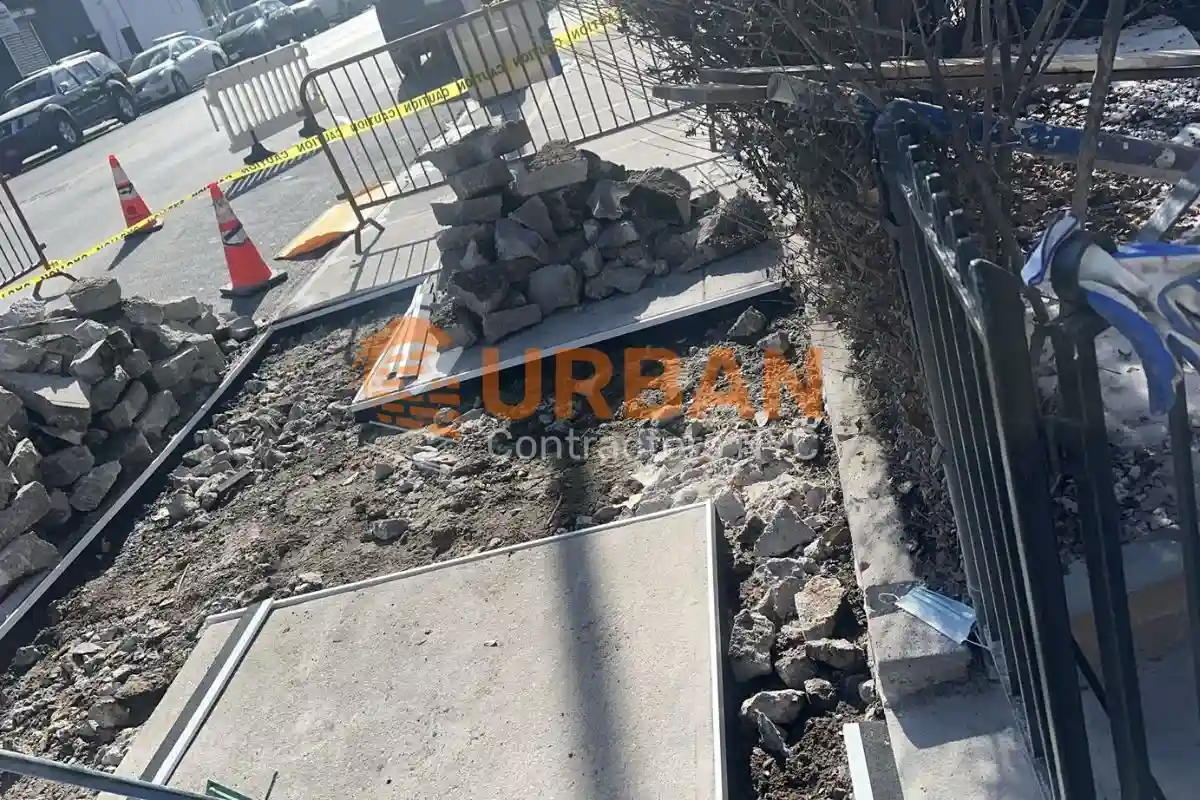
Who Can Be Held Liable For Sidewalk Defects in NYC?
In New York City and its boroughs like Queens, Brooklyn, Manhattan and the Bronx, sidewalk responsibility usually falls squarely on the shoulders of the property owner. If the concrete in front of your home or building is cracked, uneven or unsafe, it’s typically your job to repair it professionally by hiring a licensed and OSHA certified sidewalk contractor. Overlooking those issues can lead to violations from the New York City Department of Transportation (DOT), higher repair bills down the line, and even personal injury lawsuits.
Whether you own a single-family home or manage a commercial or mixed-use property, understanding exactly who is responsible for sidewalk repair helps you stay ahead of financial strain and legal trouble. In NYC, sidewalk maintenance isn’t just an optional task, but it's a legal responsibility that comes with property ownership.
Understanding Sidewalk Defects
Sidewalk defects are more than surface blemishes. In NYC, they’re considered safety hazards that must be addressed promptly. What might look like a minor crack can quickly become a liability issue if someone trips and gets hurt.
Common examples include:
- Cracks or sunken slabs deep enough to loosen or remove pieces.
- Uneven surfaces with an elevation change of ½ inch or more.
- Patchwork or repairs with non-concrete material that fail to meet DOT standards.
- Raised sections caused by tree roots pushing concrete upward.
- Utility covers or metal grates sticking up above the walking surface.
Even small imperfections can create serious fall risks, particularly for seniors, children, and people with mobility challenges. That’s why the DOT conducts inspections and issues violations even if no injury has occurred. Preventing accidents is the priority, and the law reflects that.
NYC Sidewalk Liability Laws
Under NYC Administrative Code § 7-210, most property owners are legally responsible for keeping the sidewalk in front of their property in a “reasonably safe condition.” That responsibility includes:
- Repairing cracks, uneven slabs and raised sections.
- Clearing snow, ice and debris within required timeframes.
- Fixing damage caused by tree roots or utility work (unless a specific exception applies).
Before 2003, injured pedestrians often filed claims against the City of New York for sidewalk accidents. That changed when liability shifted to property owners. The duty is considered non-delegable, meaning even if you hire a tenant, property manager or contractor to handle repairs, you remain legally responsible if something goes wrong.
Who is Usually Responsible for Sidewalk Defects?
NYC Administrative Code § 19-152 reinforces that most property owners must maintain the sidewalks bordering their property in safe condition.
Private Property Owners
If you own property that touches a sidewalk, whether it’s a brownstone in Brooklyn, a co-op in Queens, or a townhouse in Manhattan, you are generally responsible for maintaining that stretch of concrete. That means inspecting it regularly, addressing any kind of defect quickly, and removing snow and ice as required. Ignoring visible problems can result in a DOT violation and may even affect property value and curb appeal.
Commercial Property Owners
Commercial property owners face strict enforcement standards. If someone trips on broken concrete, an uneven slab or a poorly executed repair in front of a business, the owner can be sued directly. While many businesses carry liability insurance, a claim can still be expensive and may negatively impact reputation and insurance premiums.
Owners of Multi-Family Residential Buildings (3+ Units)
If you own an apartment building or co-op with three or more units, the law treats you similarly to commercial property owners. You’re expected to respond quickly to hazards, act on tenant complaints, and bring in your local licensed concrete contractors who understand DOT requirements. Delays can expose you to both city enforcement and private lawsuits.
Situations Where the City is Liable
The City of New York is responsible for sidewalk maintenance only in limited situations:
- Owner-occupied 1–3 family residences used exclusively for private living (no commercial use).
- Sidewalks next to city-owned properties such as schools, municipal buildings, or parks.
- Defects directly caused by city construction, inspections or utility work.
- Certain qualifying cases involving damage from city tree roots are handled by the NYC Parks Department.
If you believe the city is responsible for an injury, strict deadlines apply. You must file a Notice of Claim within 90 days and begin a lawsuit within one year. Missing those deadlines can permanently bar your claim.
Other Potentially Liable Parties
In some cases, liability may extend beyond the property owner or the city. Other potentially responsible parties include:
- Contractors performing unsafe or substandard repairs.
- Utility companies causing sidewalk damage due to their underground work.
- Businesses that altered sidewalks without proper permits.
Liability can sometimes be shared among multiple parties. While you may not have directly caused the defect, you may still need to take action by documenting damage, contacting the responsible party and filing appropriate claims. If you’re unsure who performed recent work near your property, calling 311 to check for active street construction permits can help clarify the situation. Maintenance records, contracts, and inspection reports often play a critical role in determining fault.
What Happens If You Ignore a Sidewalk Defect?
Ignoring a sidewalk defect can trigger a series of costly consequences. The DOT may issue a Notice of Violation requiring repairs within 75 days. If you fail to comply, the city can complete the work and bill you through the Department of Finance, often at a higher cost as compared to a private contractor. That bill includes repair expenses plus a 20% administrative fee.
You typically have 90 days to pay. If you don’t, a lien can be placed on your property, potentially complicating refinancing or sale. However, the city
If the DOT’s Sidewalk Management Unit completes the repair, you may qualify for a payment plan if:
- The property is a one- to six-family home or has an assessed value of $30,000 or less.
- Repair charges fall between $250 and $5,000.
- You apply within one year of the charges being added.
Beyond city enforcement, there’s also the risk of personal injury lawsuits. Injured pedestrians may seek compensation for medical costs, lost income, and pain and suffering. Insurance claims tied to sidewalk accidents can increase premiums or create coverage disputes. In court, failing to fix a known hazard often strengthens the argument that negligence occurred.
How to Protect Yourself as a Property Owner
Reducing your risk starts with a proactive approach:
- Inspect Regularly: Walk your sidewalk at least once a month and after major weather events.
- Fix Problems Quickly: Schedule repairs promptly once a defect is discovered.
- Hire Licensed Contractors: Work with professionals experienced in DOT-compliant repairs, holding proper licensing.
- Document Everything: Keep dated photos, inspection notes, and repair invoices.
- Review Insurance Coverage: Confirm that your policy includes sidewalk-related injury claims.
In most cases, preventive maintenance costs far less than defending a lawsuit or paying city-imposed repair charges.
Conclusion
Keeping your sidewalk safe isn’t just an excellent ethical practice, but it’s a legal obligation in New York City. Failing to address sidewalk defects can result in violations, lawsuits, rising insurance premiums, and even property liens. By staying proactive and handling repairs according to DOT standards, you protect both pedestrians and your own financial well-being.
Taking action before a violation notice arrives is always the smarter move. Working With the right contractor and a clear understanding of your responsibilities, you can stay compliant and avoid unnecessary stress down the road.
If you’ve noticed cracks or uneven slabs, schedule a professional sidewalk inspection with our trusted team at Urban Contractors NYC today. Let us inspect your property thoroughly and address the issue before it turns into a costly violation.