
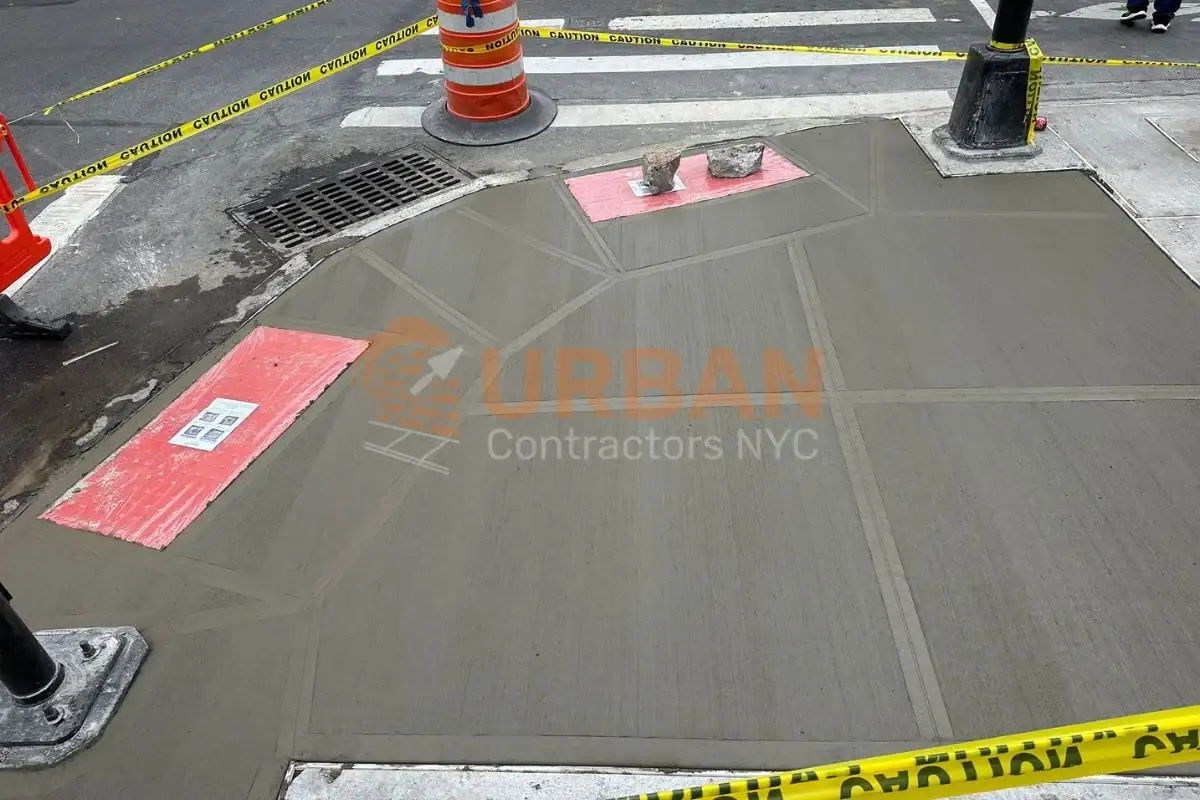
Sidewalk Repair Guide 2026: What You Need to Know
Sidewalks don’t usually get much attention until something goes wrong. A slight crack turns into a raised edge, a slab shifts just enough to catch a foot, or a notice arrives from the city reminding you that what sits outside your property line is, in many ways, still your responsibility.
In a city like New York, sidewalks are more than just functional. They are part of the daily rhythm, quietly supporting foot traffic, shaping first impressions, and reflecting the overall care of a property. For homeowners, they also carry a layer of legal and financial responsibility that’s easy to overlook until it becomes urgent.
Understanding how sidewalk maintenance works in NYC, what you’re responsible for, how damage happens, and when to repair versus replace can save you from unnecessary stress, unexpected costs, and even city violations. Think of this as a practical guide to keeping your sidewalk safe, compliant, and visually in step with your home.
Understanding Sidewalk Responsibility in NYC
It may feel confusing, but in New York City, the sidewalk in front of your property is typically your responsibility to maintain, even though it’s considered public space.
Under section 19-152 of NYC regulations, property owners are required to keep sidewalks in a safe condition. This includes repairing cracks, uneven slabs, and any hazards that could pose a risk to pedestrians. If the Department of Transportation (DOT) identifies a defect, they may issue a sidewalk violation notice, giving you a limited window (usually 75 days) to make repairs.
If repairs are not completed within that timeframe, the city can step in, fix the sidewalk, and bill the cost back to you, often at a higher rate. In many cases, that charge can be added directly to your property taxes, making it a long-term financial burden rather than a one-time expense.
There are a few exceptions. For example, if damage is caused solely by a city-owned tree, there may be assistance programs. However, these situations require verification and documentation, and they don’t always eliminate the homeowner’s obligation entirely.
The takeaway is simple: in NYC, sidewalk maintenance is not optional, but it’s part of responsible property ownership.
What Causes Sidewalk Damage?
Sidewalks may look solid and unchanging, but they’re constantly responding to environmental and structural pressures. Over time, even well-constructed concrete begins to show signs of wear.
One of the most common causes of damage in New York is the freeze–thaw cycle. During colder months, water seeps into small cracks, freezes, expands and gradually widens those openings. This repeated process weakens the concrete and leads to visible fractures or uneven surfaces.
Tree roots are another major factor, particularly in neighborhoods with mature street trees. As roots grow beneath the surface, they push upward, lifting slabs and creating uneven sections. While trees add undeniable charm and value to a street, their impact on sidewalks can be significant.
Other contributing factors include:
- Soil erosion beneath the slab, causing sinking or shifting
- Heavy foot traffic and occasional vehicle pressure
- Aging materials that naturally degrade over time
- Poor initial installation or drainage issues
Understanding the cause of damage is key because it directly influences the type of repair required.
Types of Sidewalk Damage (And Why They Matter)
Not all sidewalk damage is created equal. Some issues are largely cosmetic, while others present real safety risks and legal concerns.
Hairline cracks: They are often the first visible sign of wear. These are typically superficial and can be addressed with sealing or patching. While they may not pose an immediate hazard, leaving them untreated allows moisture to seep in and worsen the damage over time.
Wider cracks or surface fractures: They indicate deeper stress within the concrete. These may require more substantial repairs to prevent further deterioration.
Vertical displacement: It occurs when one slab sits higher than another and is considered a serious trip hazard, especially if the height difference exceeds half an inch. This type of damage is more likely to trigger a violation notice and often requires professional correction.
Sunken or shifted slabs: They are usually caused by soil movement beneath the surface. These areas may appear stable but can worsen quickly if not addressed.
In NYC, even small irregularities can become liabilities. The city’s standards are strict because sidewalks are heavily used public pathways. Identifying the type of damage early helps determine the most effective and compliant solution.
Repair Options: What Actually Works
Sidewalk repair isn’t a one-size-fits-all process. The right solution depends on the severity of the damage and the underlying cause.
For minor issues, such as small cracks or surface wear, homeowners may consider DIY repairs. Concrete fillers and patching compounds are widely available and can provide a temporary fix. These solutions are best suited for cosmetic improvements rather than structural corrections.
When damage becomes more pronounced, professional repair methods followed by licensed contractors offer more durable results.
Concrete grinding: It is often used to smooth out uneven edges and eliminate trip hazards without replacing the entire slab.
Mudjacking or slab leveling: It involves injecting material beneath the concrete to raise and stabilize sunken sections.
Full slab replacement: It is typically required when the damage is extensive or the concrete has lost its structural integrity.
Each method has its place, but in a city with strict regulations like NYC, ensuring that repairs meet DOT standards is just as important as fixing the damage itself.
Permits, Inspections, and NYC Regulations
Sidewalk repair in New York City isn’t just about fixing concrete, but it’s also about navigating the permitting process.
In most cases, you’ll need a permit before starting any significant sidewalk work. This ensures that repairs meet city specifications, including proper grading, material standards, and accessibility requirements.
Once the work is completed, the sidewalk may need to be inspected by the city officials to confirm compliance. If the repair doesn’t meet city standards, you may be required to redo the work, adding time and cost to the project.
This is why many homeowners choose to work with licensed and certified contractors who are familiar with NYC regulations. They handle permits, ensure compliance and reduce the risk of costly mistakes.
Tree Roots and Sidewalk Conflicts
Tree-lined streets are one of New York’s defining features, but they also create one of the most persistent sidewalk challenges.
Roots grow outward in search of water and nutrients, often pushing against the concrete above. This leads to lifted slabs, cracks, and uneven walking surfaces.
While it may be tempting to cut the roots, doing so can damage or destabilize the tree. In many cases, this is not permitted without city approval.
Instead, there are more thoughtful solutions:
- Adjusting the sidewalk path slightly to accommodate root growth
- Installing root barriers to redirect growth
- Using reinforced concrete to withstand pressure
- Coordinating with city agencies when public trees are involved
Addressing root-related damage requires a balance between preserving the tree and maintaining a safe walking surface.
What Does Sidewalk Repair Cost in NYC?
Costs can vary significantly depending on the scope of the project, but having a general range helps set expectations.
- Minor repairs (DIY or small fixes): Under $200
- Moderate repairs (grinding, patching, leveling): $500–$1,500
- Full slab replacement: $1,500–$3,000+
Factors that influence cost include the size of the damaged area, the cause of the issue, permit requirements, and labor rates in your borough.
Learn more about the sidewalk repair cost in NYC.
In some cases, NYC offers programs that assist with repairs, particularly when damage involves city-owned trees. While these programs may not cover all costs, they can reduce the financial burden.
The key insight here is that early intervention is almost always less expensive than waiting. Small repairs tend to stay small until they don’t.
If you’re looking for affordable sidewalk repair services across NYC, reach out to Urban Contractors NYC. We offer free estimates and transparent pricing for every project we take while utilizing modern construction techniques along with premium high-strength concrete to get the job done right the first time.
Repair vs. Replacement: Making the Right Call
One of the most common decisions homeowners face is whether to repair or replace a sidewalk.
If the damage is isolated, such as a single crack or a slightly uneven slab, repair is usually sufficient.
However, replacement becomes the better option when:
- Multiple areas are damaged
- Repairs have been repeated without lasting results
- The sidewalk is over 20–25 years old
- Structural integrity is compromised
While replacement requires a higher upfront investment, it often provides better long-term value. A new sidewalk not only improves safety but also enhances curb appeal and reduces future maintenance needs.
If you’re unsure which option makes more sense for your situation, it helps to explore a more detailed comparison of whether to repair an uneven sidewalk slab or replace it completely.
Why Proactive Maintenance is Crucial
Sidewalk maintenance is easy to delay because the issues often develop gradually. But in a city like New York, where regulations are strict and foot traffic is constant, small problems can quickly become larger ones.
Routine inspections, especially after winter, help identify early signs of damage. Clearing debris, monitoring cracks, and addressing minor issues as they appear can extend the lifespan of your sidewalk significantly.
More importantly, proactive care reduces liability. A well-maintained sidewalk protects not just pedestrians but also the homeowner from potential legal claims or fines.
Conclusion
Sidewalk repair may not be the most glamorous aspect of homeownership, but in New York City, it’s one of the most important.
It sits at the intersection of design, safety, and responsibility, quietly shaping how your property is experienced from the outside. A smooth, well-maintained sidewalk signals care and attention, while damaged concrete tells a different story.
By understanding your responsibilities, recognizing early signs of damage, and taking a proactive approach to repairs, you can avoid unnecessary costs and keep your property in good standing with the city.
And when the work becomes more complex, seeking guidance from experienced professionals like Urban Contractors NYC can help you navigate the process with clarity.
Because in a city built on movement, even the ground beneath your feet deserves thoughtful care.